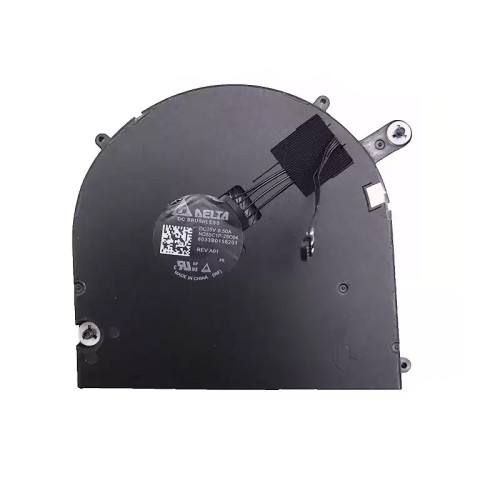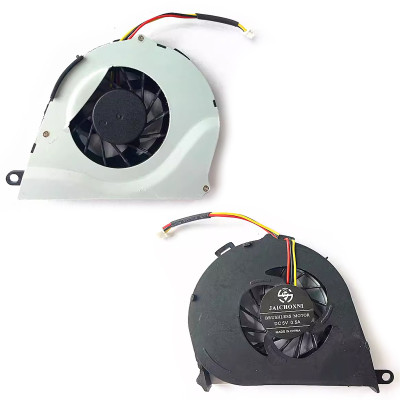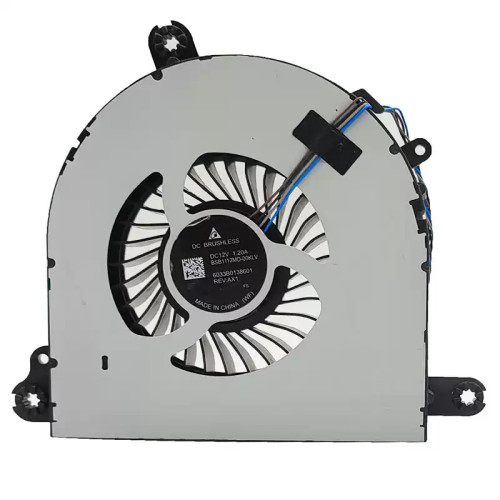

Complete specifications for reference:
DD0BLBLC040
DD0BLBLC000
DD0BLBLC0001
DD0BLBLC020
DD0BLBLC030
DD0BLBLC0301
Toshiba Satellite L750
L755
L755D
L750D
L755E
How to verify your screen type: Check your laptop's specifications online, look at the original cable's connector – if it has more than 30 pins (for eDP) or extra separate wires, it is likely a touch cable. Also, check the Device Manager under "Human Interface Devices" – if a touchscreen is listed, your screen supports touch.
If unsure, contact our support with your laptop's full model number and the part number printed on your original cable.
How to check your original cable: Look for printed markings on the cable (e.g., "30P 0.5mm") or measure with a caliper if you have one. You can also count the pins on the connector carefully.
Important: The cable must match the part number of your original cable or be listed as a compatible alternative. Using an incompatible cable may result in:
Always refer to the cable's specifications and compare with your laptop's service manual.
Warning: The LCD cable is extremely fragile – avoid sharp bends (especially at 90° angles), and never pull on the cable itself; always hold the connector.
Access requirements:
The cable is often one of the first components to fail in laptops due to repeated hinge flexing – always inspect the old cable for visible wear at the hinge area.
Connection steps:
Do not force the connector – if it does not go in easily, check orientation and ensure no pins are bent.
Critical precautions:
Troubleshooting if the display does not work after installation:
Quick diagnostic tip: If you have access to an external monitor, connect it to the laptop. If the external display works correctly, the issue is likely the LCD cable or the panel itself. If external display also has issues, the graphics chip or motherboard may be the problem.
If the problem persists, contact our support with your laptop model and the exact part number of your original cable.